

 English






















































Gujarat Police Uncover 5.13 Lakh Fake Gmail Accounts Used in Bomb Hoax Racket

Police Action
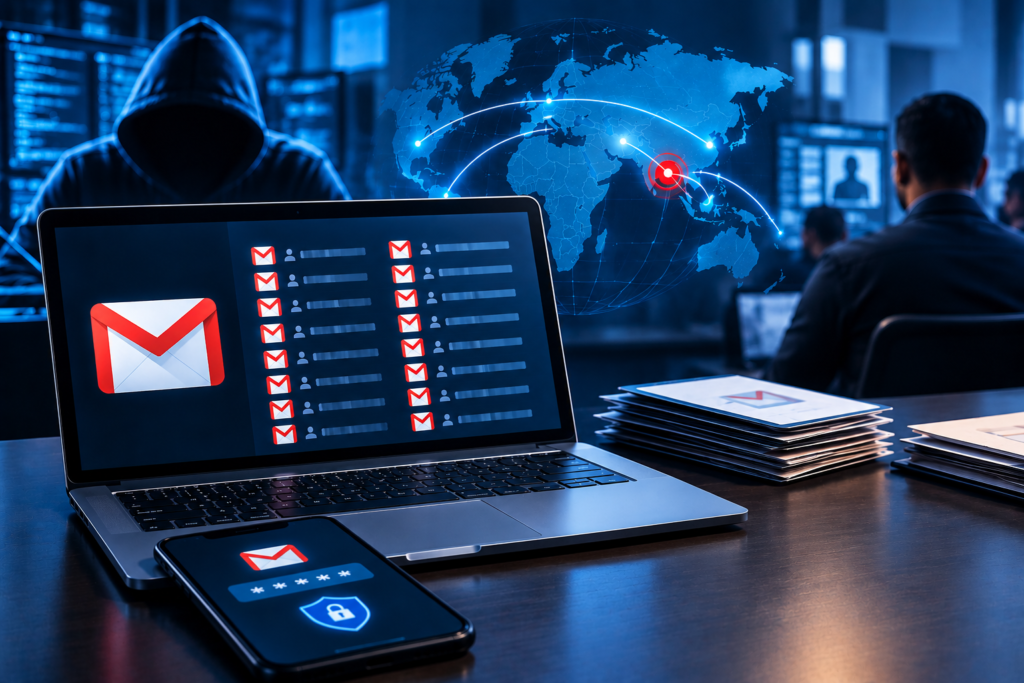
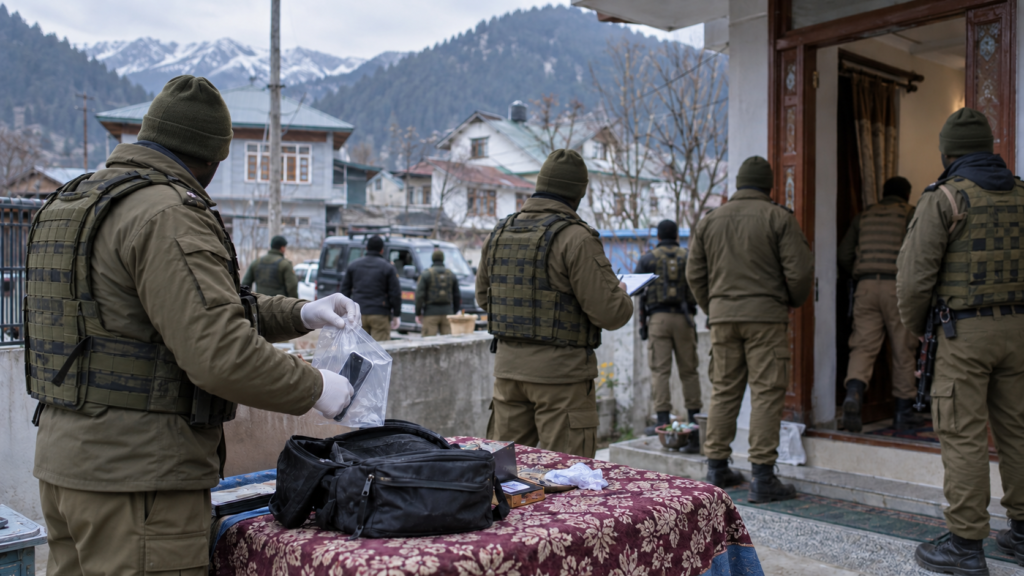
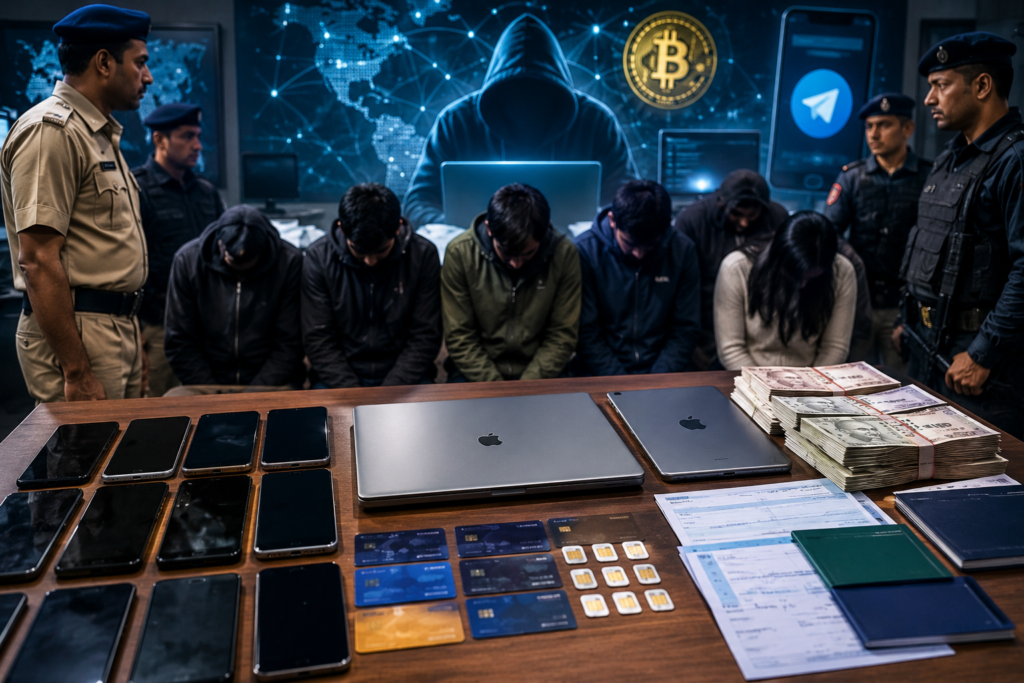
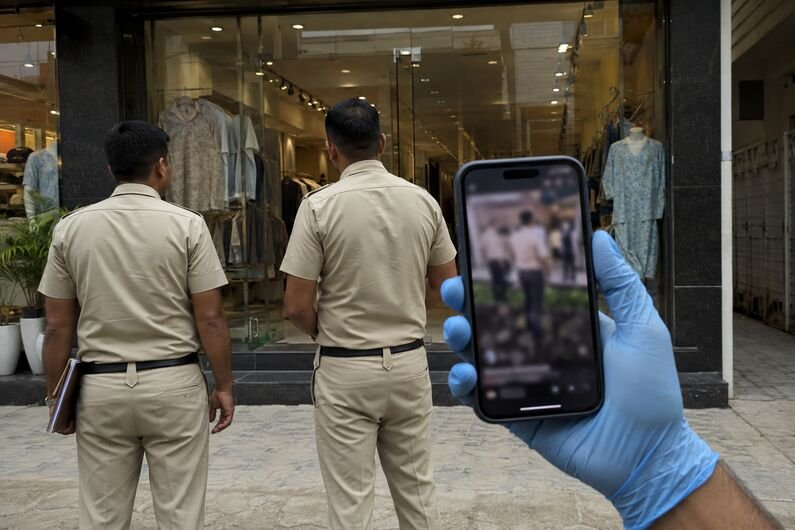
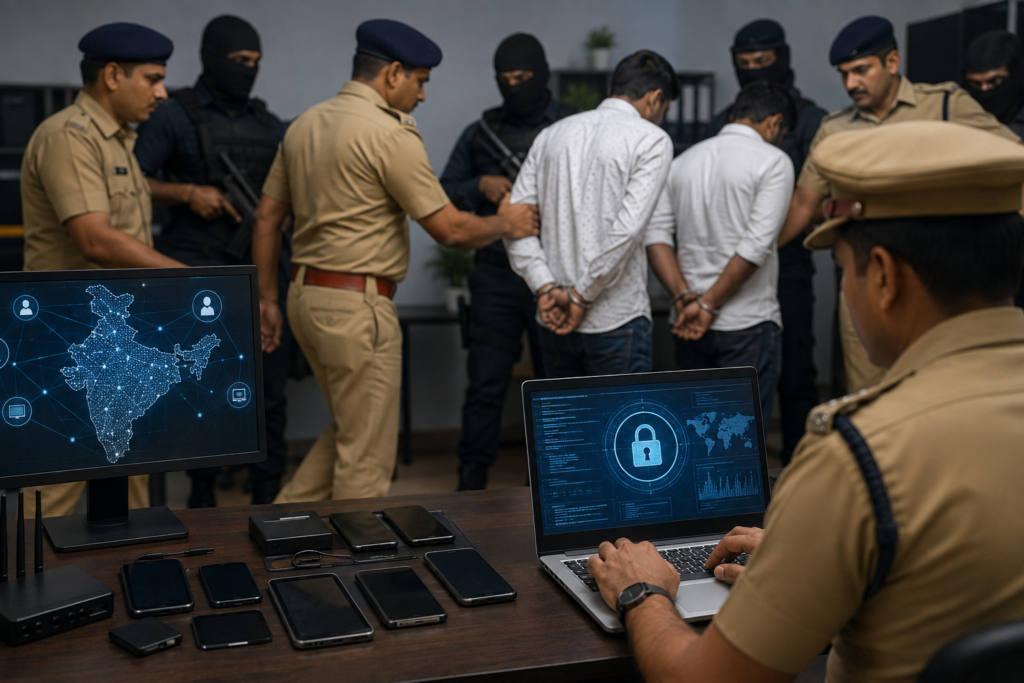
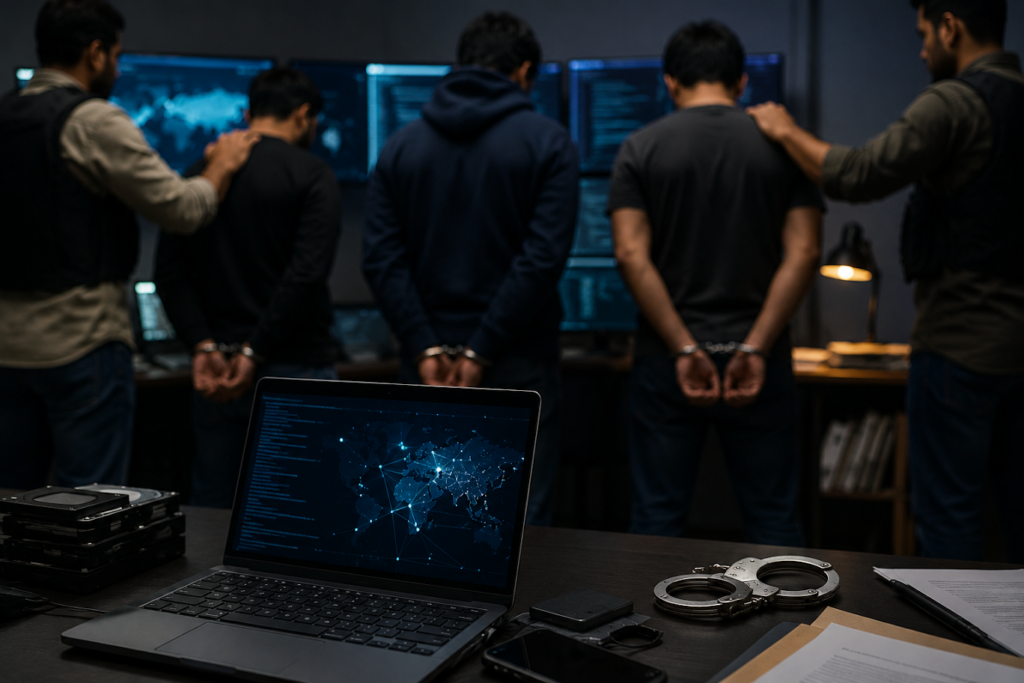
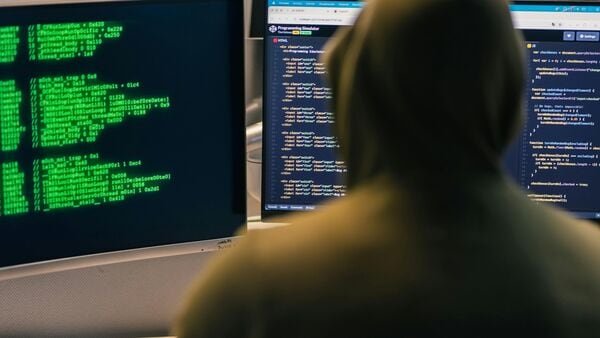
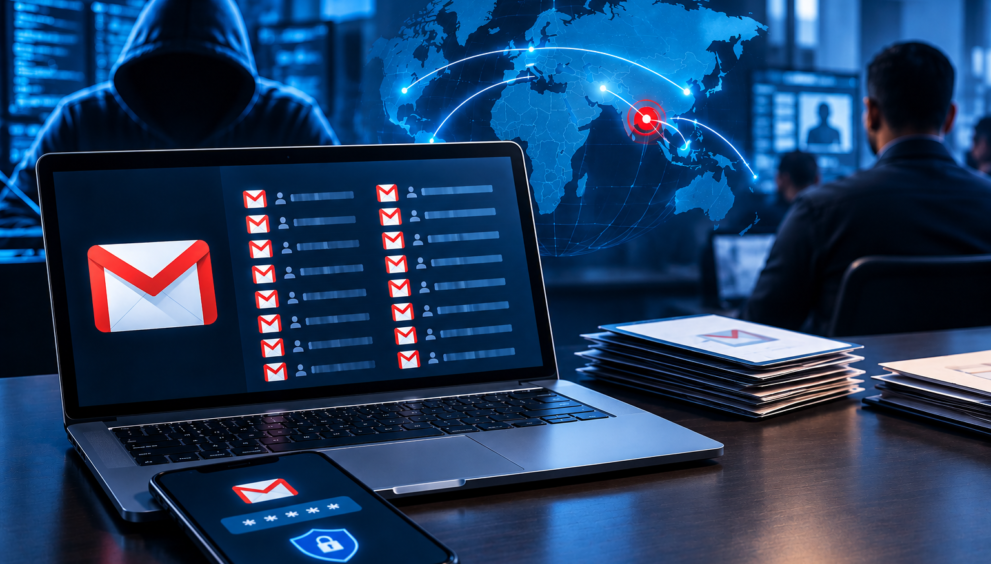
Gujarat Police have uncovered a large network linked to fake Gmail accounts. Investigators found 513,847 Gmail IDs and passwords during the probe. Police arrested two people in connection with the network. The accounts were reportedly active from 2022. Investigators also found that some accounts were allegedly sold to other buyers. The case has raised concerns about the large-scale misuse of online accounts.
Bomb Threat
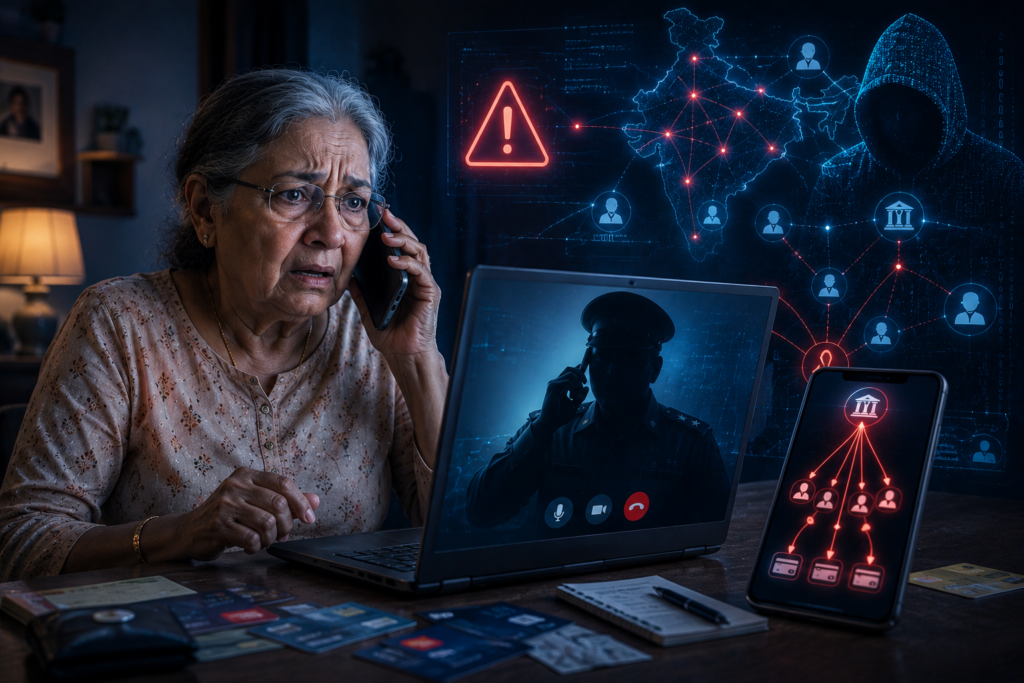
The investigation began after a bomb threat email reached the Gujarat government on September 10. The threat came days before the BRICS summit in New Delhi. The message also threatened countries working with India during the summit. Police later found that the threats were false. Investigators then traced the email activity and uncovered the large Gmail account network. The discovery has added a major cybercrime angle to the bomb hoax case.
Google Inquiry
Gujarat Police plan to question Google about its account security measures. Investigators want stronger safeguards against the large-scale misuse of Gmail accounts. Police are examining how so many accounts were created and operated. Authorities also want to understand how the network avoided existing security checks. Google had not immediately responded to the police request for comment.
Global Link
The investigation uncovered an international link to Bangladesh. The buyer reportedly purchased multiple batches of Gmail accounts from the network, with part of the payment made using cryptocurrency. Investigators are examining how the accounts were distributed and how the buyers used them. The international connection could help police trace other individuals linked to the network.
Security Concern
Police found another unusual detail during the investigation. The fake Gmail accounts reportedly used two-factor authentication, a security feature designed to protect online accounts. Investigators are examining how criminals managed to operate the accounts. The case highlights the challenges of detecting organised digital abuse. It also shows why stronger account safeguards and digital investigations remain important for cybercrime prevention.