
 English










































































Iran’s imprisoned Nobel peace laureate Narges Mohammadi may have had a heart attack

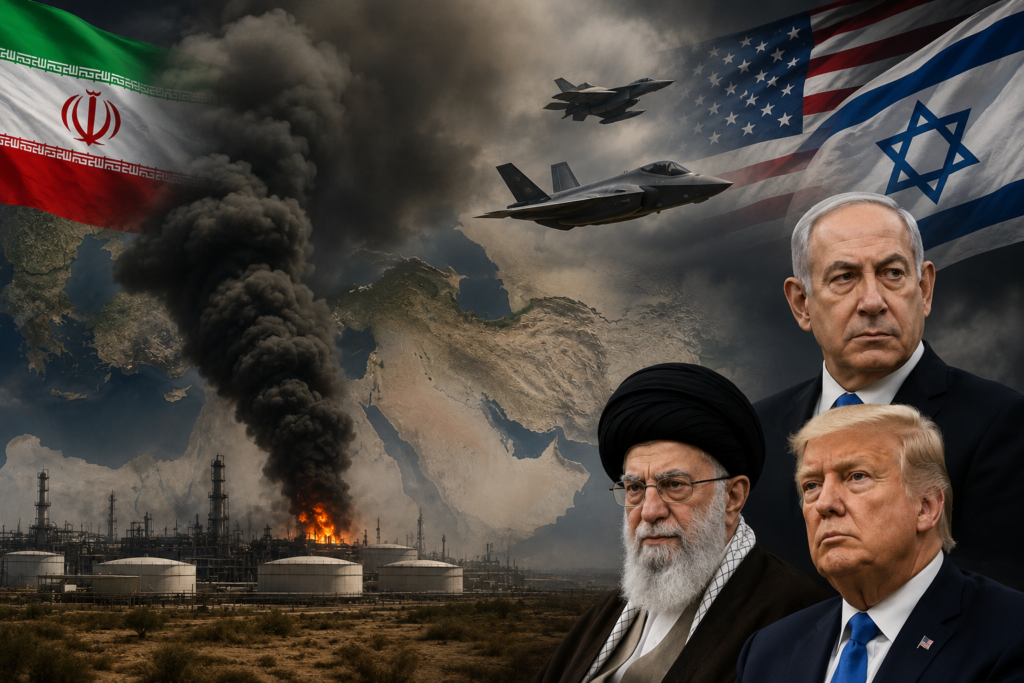
WEST PALM BEACH, Fla. (AP) — President Donald Trump continues to search for a solution to the crisis in the Strait of Hormuz as the United States remains at war with Iran. Meanwhile, his administration has considered several options as tensions continue to rise.
Initially, Trump pushed for diplomatic efforts to secure the strategic waterway. Later, he considered lifting sanctions as another way to ease the crisis. However, he has now taken a more aggressive approach by threatening Iran’s civilian power infrastructure.
Trump and his allies insist that they always expected Iran to attempt to block the Strait of Hormuz. In addition, they argue that the administration prepared for such a possibility before the conflict began.
However, critics have questioned Trump’s strategy. They argue that the president entered the war without a clear plan for ending the conflict. Furthermore, they say his changing approach shows that his administration continues to search for an effective way forward.
On Saturday, Trump issued his latest ultimatum to Iran. He demanded that Tehran reopen the Strait of Hormuz within 48 hours. Otherwise, Trump warned that the United States would “obliterate” Iran’s power plants if the country refused to comply.
As a result, the threat represents a significant escalation in the conflict. The Strait of Hormuz plays an important role in global energy markets. In fact, large volumes of oil and other energy products normally pass through the waterway.
Therefore, any prolonged disruption could affect international shipping and energy prices. It could also increase pressure on countries that depend on the region for oil supplies.
Meanwhile, Trump’s aides defended the threat as a forceful strategy designed to pressure Iran into reopening the strait. They argued that stronger measures could push Tehran toward compliance.
In contrast, opponents offered a sharply different assessment. They argued that Trump’s approach reflects a serious miscalculation. According to critics, the administration underestimated the difficulty of managing the conflict and finding a path toward de-escalation.
For now, the situation remains uncertain as Trump weighs his next steps. Iran has yet to fully comply with his demand. At the same time, the ongoing crisis around the Strait of Hormuz continues to raise concerns about regional security, global trade, and energy supplies.