

 English

























































































ED Arrests Two in Pan-India Cyber Fraud Investigation


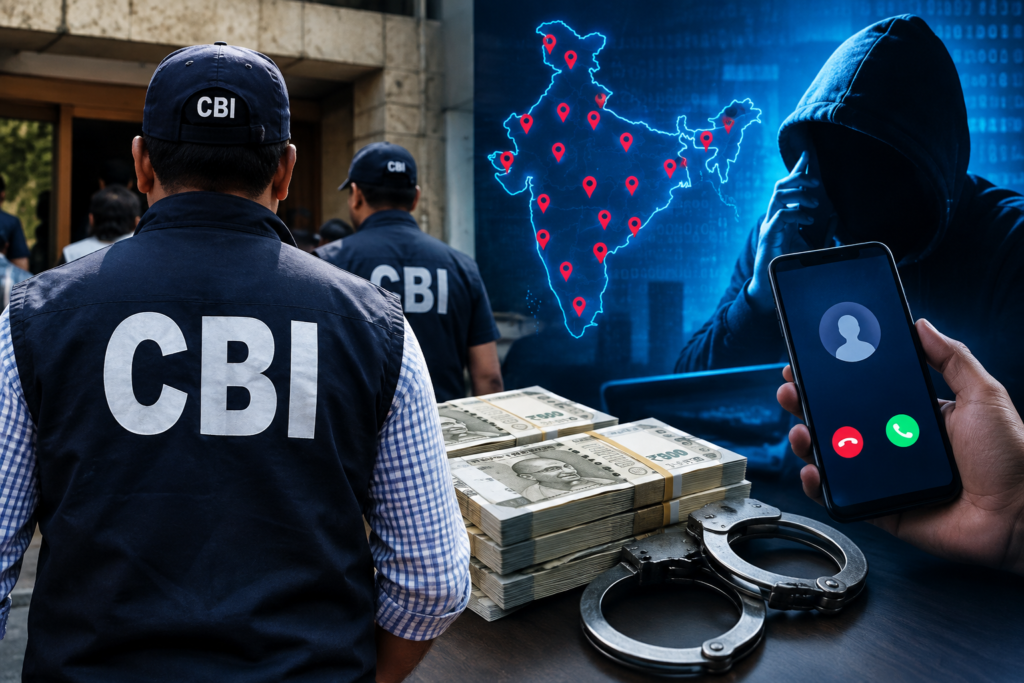
The Enforcement Directorate (ED) has arrested two people in Mumbai as part of an investigation into an alleged pan-India cyber fraud and digital arrest network. Investigators are examining financial transactions linked to the network, which reportedly involve around ₹30,000 crore.
According to reports, ED officials took Fahim Moin Hussain Sayed and Naim Mueen Sayyed into custody in Mumbai on Sunday. The agency is investigating their alleged role in a large money laundering and cyber fraud operation.
Investigation Began After a Goa Woman Lost ₹2.60 Crore
The case came to light after a Goa-based woman reported losing ₹2.60 crore between May and June 2025.
According to the investigation, cybercriminals allegedly contacted the woman and placed her under a fake “digital arrest.” The fraudsters reportedly convinced her that she faced a serious legal issue and pressured her to transfer money into accounts described as “Secret Supervision Accounts.”
The ED later traced the financial trail and identified several accounts allegedly connected to the wider network.
ED Traces Thousands of Crores in Transactions
Investigators reportedly identified bank transactions worth around ₹27,000 crore. They also found cash dealings of approximately ₹3,000 crore during the probe.
The combined figure has brought significant attention to the scale of the alleged operation. However, the ₹30,000 crore figure refers to transactions and cash dealings linked to the investigation. It should not automatically be described as the total amount lost by victims.
Investigators also found that the suspected network allegedly moved money through multiple mule bank accounts. These accounts helped the operators receive and transfer funds while making it harder to identify the ultimate beneficiaries.
Money Allegedly Moved Through Multiple Channels
According to the investigation, fraud proceeds allegedly moved through bank accounts before criminals withdrew the money through ATMs and cash deposit machines.
Investigators also found evidence suggesting that some of the funds later moved through RBI-licensed money changers for conversion into foreign currency.
This method can make financial tracking more complicated because criminals can move money through several accounts and intermediaries before transferring it outside the country.
Digital Arrest Scams Continue to Raise Concerns
The latest case highlights the growing threat of digital arrest scams in India. In these scams, criminals often impersonate police officers, government officials, investigators or other authorities.
They use video calls, fake documents and threats of arrest to create fear. Once the victim believes the fraudster, the criminals demand money under the pretext of verification, investigation or legal proceedings.
Law enforcement agencies have repeatedly warned people that legitimate government agencies do not conduct arrests through video calls or demand money through such methods.
Authorities Continue Cyber Fraud Investigations
The ED is continuing its investigation to identify other people and entities allegedly connected with the network. Investigators are also examining the movement of funds and the role of different bank accounts and intermediaries.
The case demonstrates why people should remain cautious when unknown callers claim to represent law enforcement agencies. Anyone receiving such threats should avoid transferring money and should immediately contact the appropriate cybercrime authorities through official channels.
As the investigation continues, authorities may uncover additional details about the network, its financial operations and other individuals allegedly involved in the case.
Important: The allegations mentioned above remain part of an ongoing investigation. The arrest of an individual does not by itself establish guilt, and the final responsibility will depend on the evidence and legal proceedings.