

 English































































Fraudsters Pose as Maharashtra Police, Cheat Noida Woman of ₹18.5 Lakh in Digital Arrest Scam


Cybercriminals posing as Maharashtra Police officials allegedly cheated an elderly Noida woman of ₹18.5 lakh.
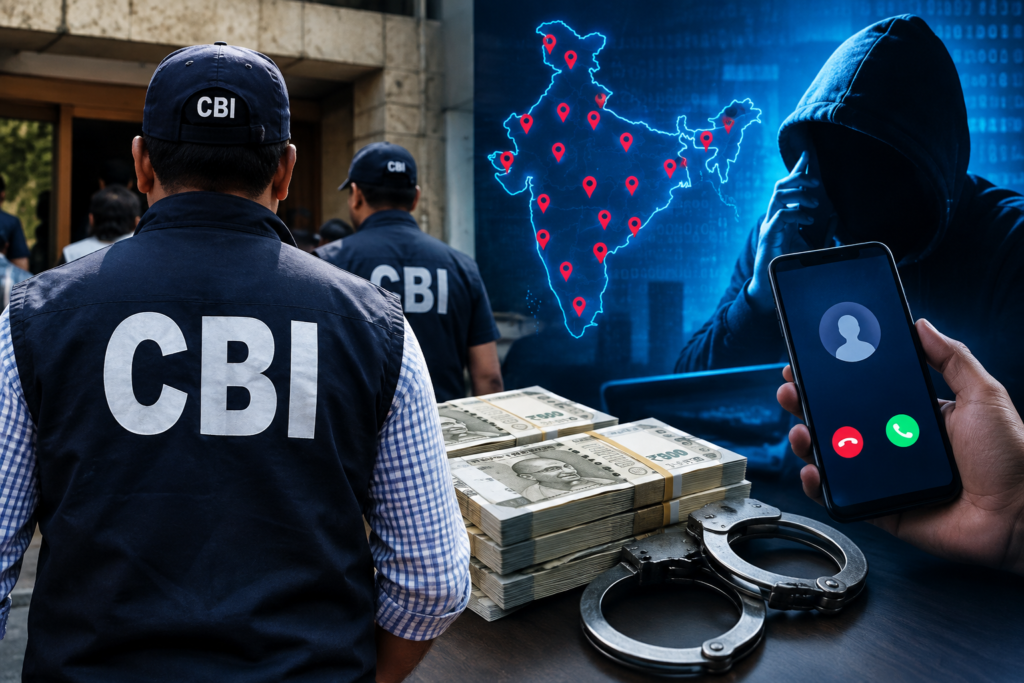
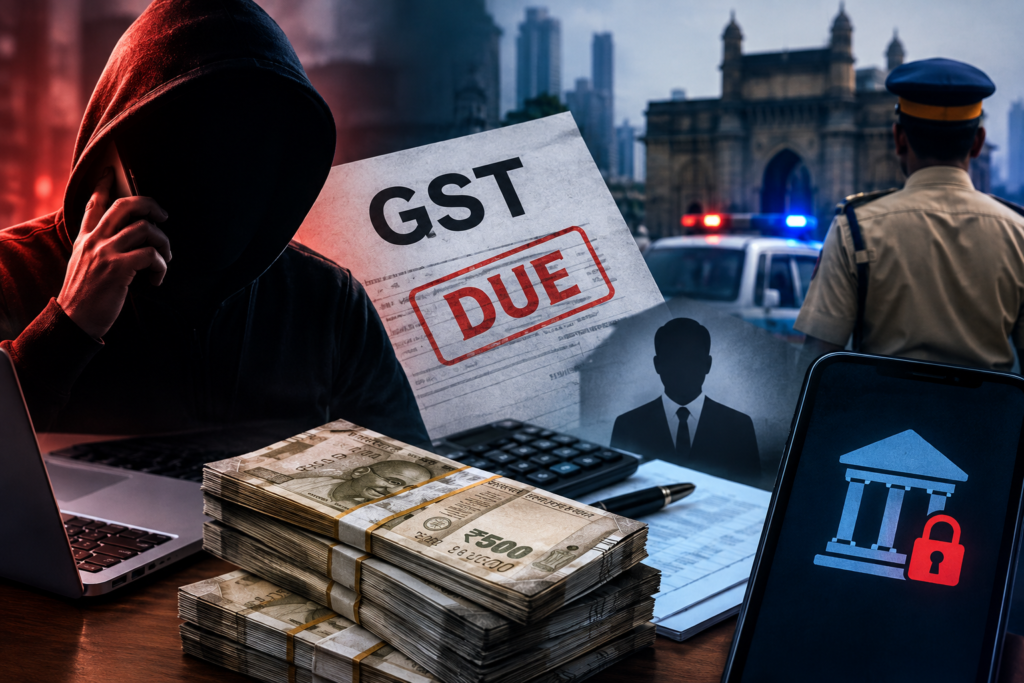
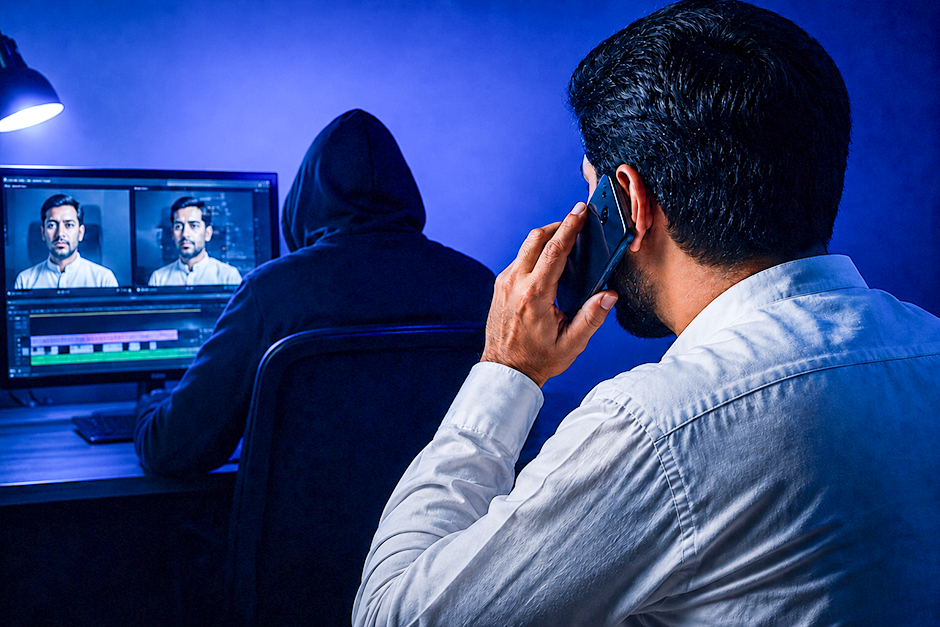
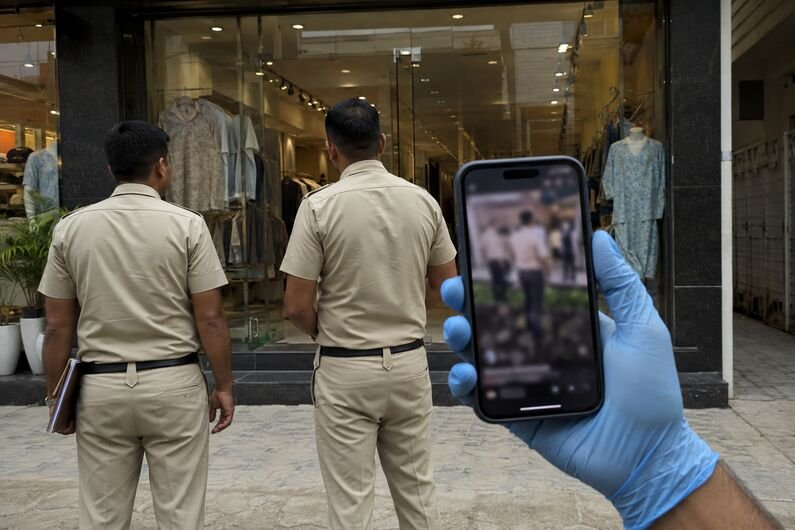
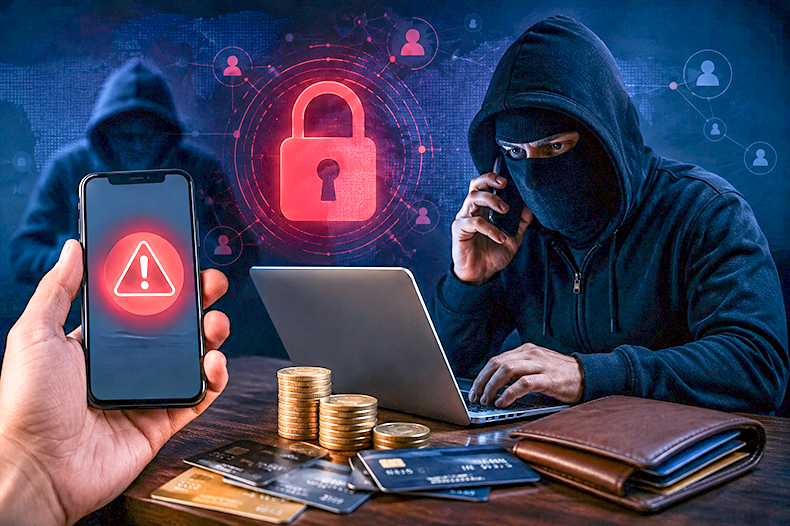
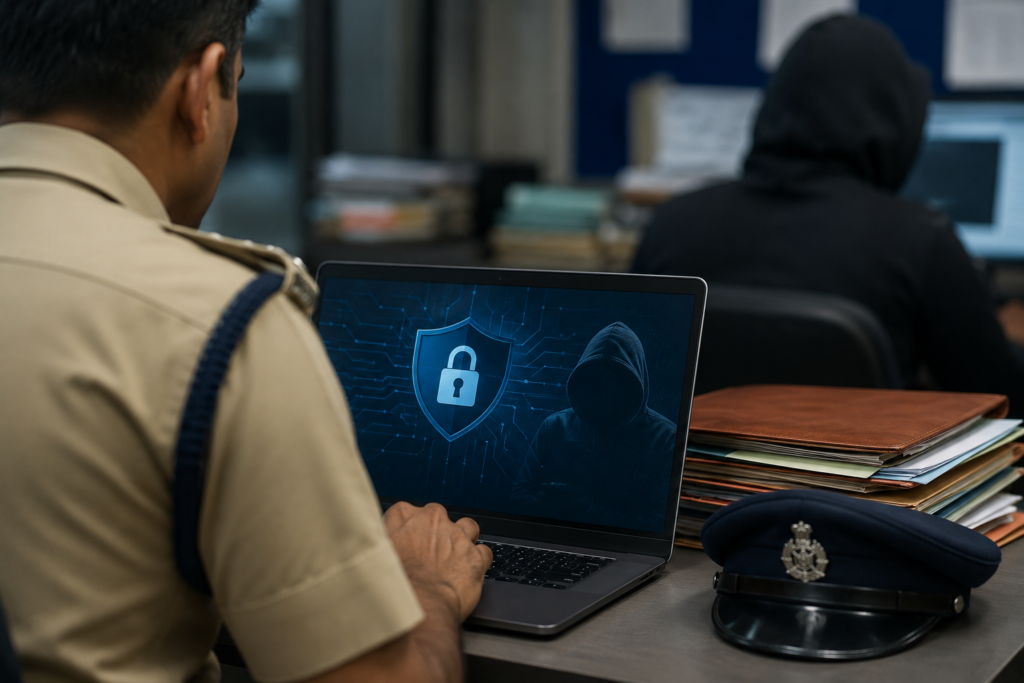
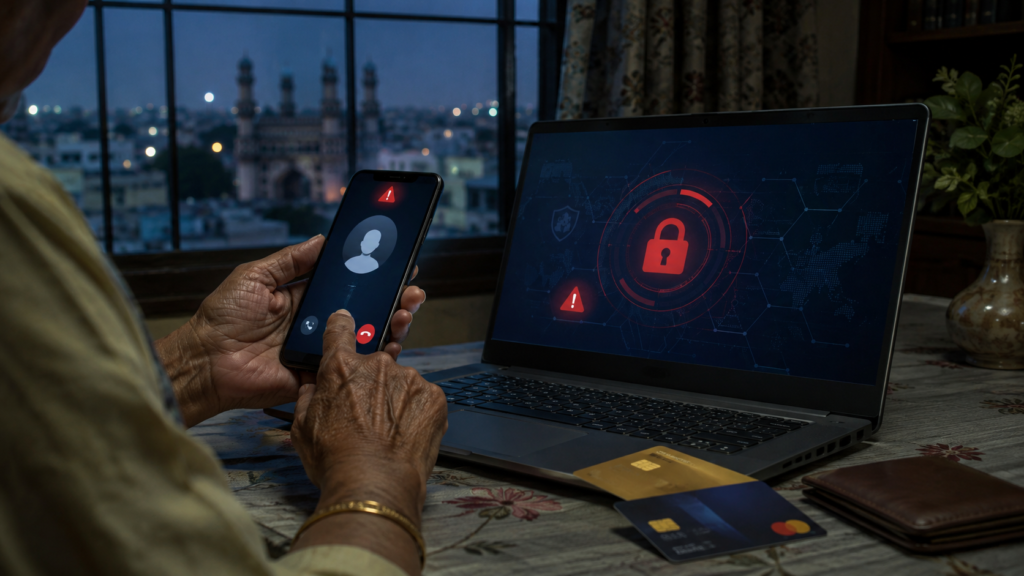
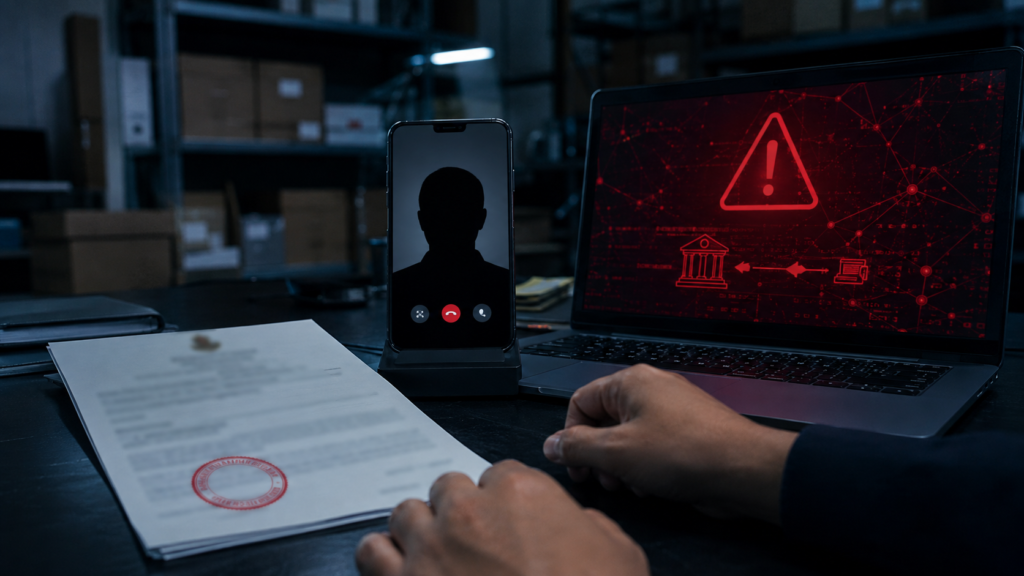
According to police, the fraudsters contacted the victim by phone. They falsely claimed that criminals had linked her bank account to illegal activities. They introduced themselves as Maharashtra Police officers. They threatened her with arrest and legal action unless she cooperated with their investigation.
The victim faced constant psychological pressure during the scam. The accused gave her multiple bank accounts for money transfers. She transferred ₹18.5 lakh to those accounts. She realized the fraud only after completing the transfers.Cybercrime police have since registered a complaint. They have also launched an investigation.
Digital Arrest Scam Used to Exploit Fear
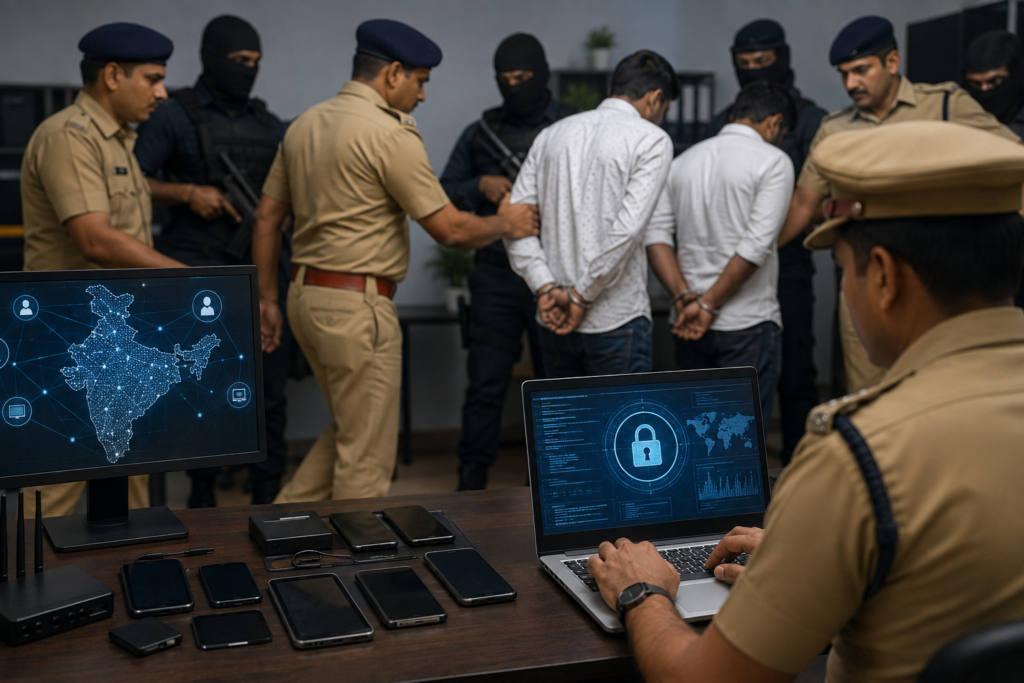
Investigators believe the accused followed a common digital arrest scam pattern. They impersonated police officials and created panic through false allegations. The fraudsters allegedly told the victim not to contact her family. They convinced her that money transfers could verify her financial records. They also claimed the transfers could help her avoid arrest.
Cybersecurity experts say these scams rely on social engineering tactics. These tactics manipulate fear and trust instead of using technical hacking.
Investigation Underway
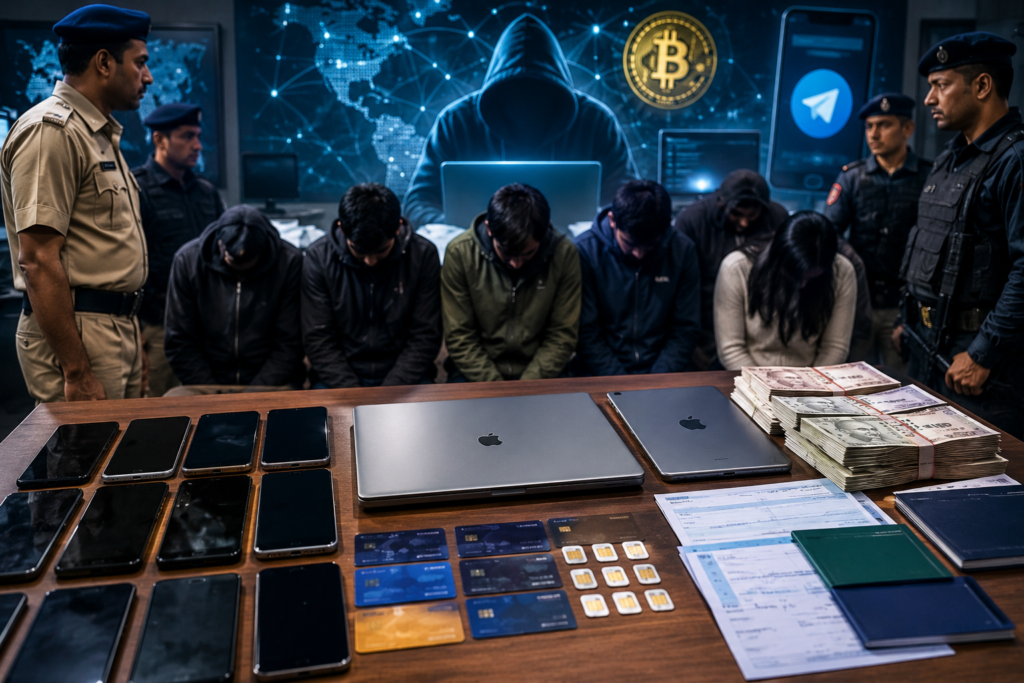
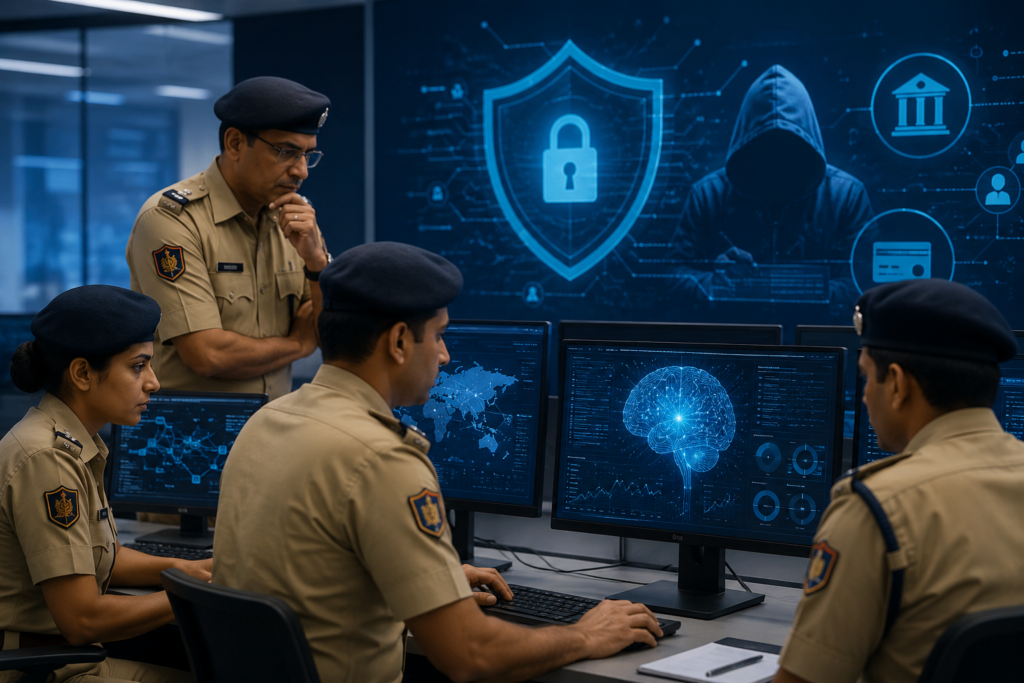
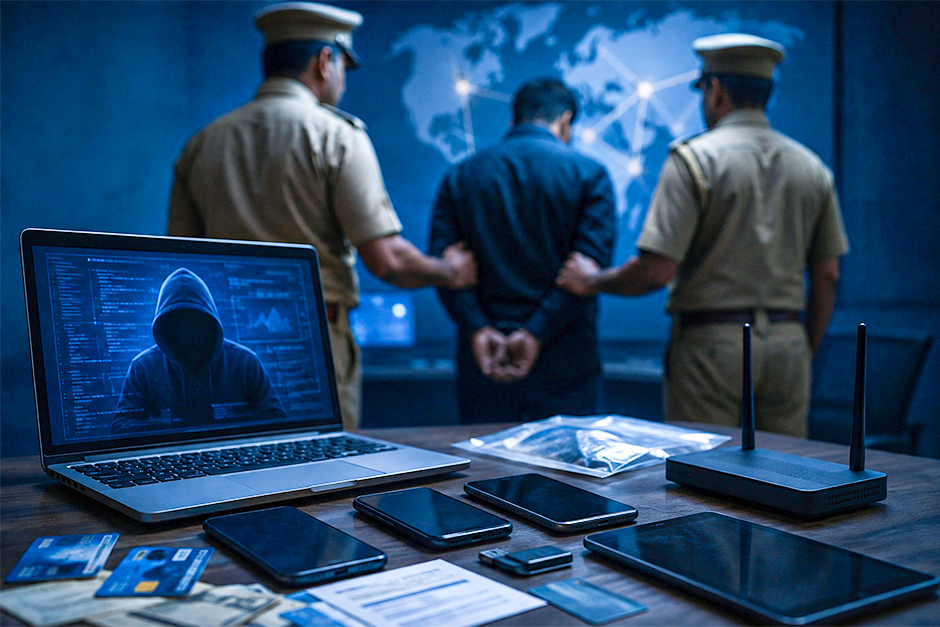
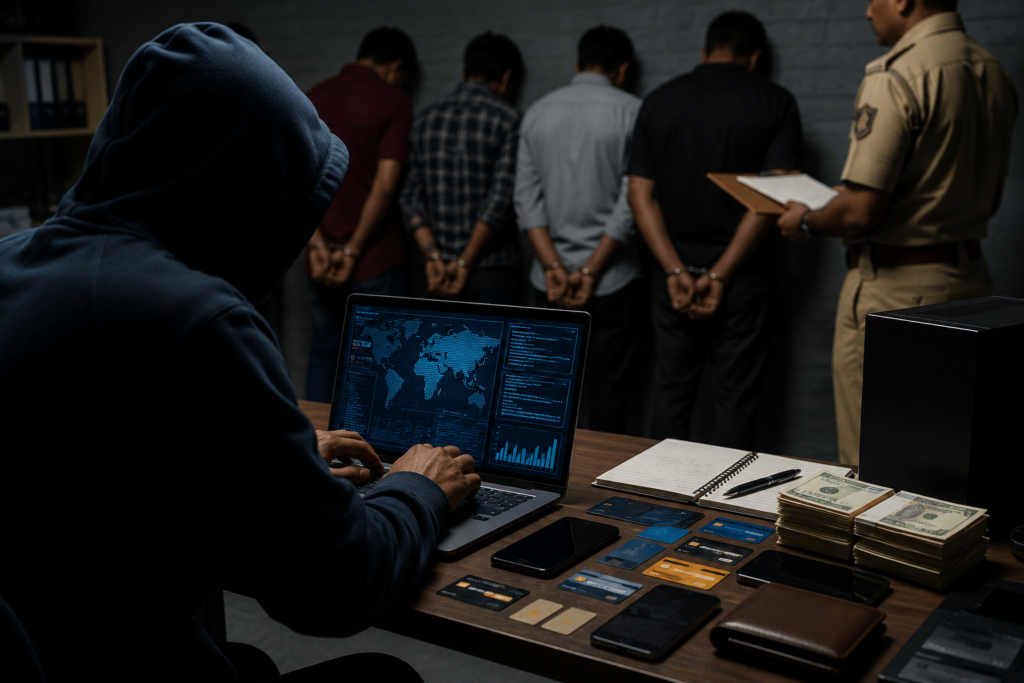
Cybercrime police are examining bank transaction records and mobile numbers. They are also reviewing digital payment trails and electronic evidence. Investigators aim to identify everyone involved in the fraud. Authorities are tracing the beneficiary accounts used for the transfers. They want to determine whether the fraud connects to a larger interstate cybercrime network. Such networks often use mule bank accounts and fake identities.
Public Advisory
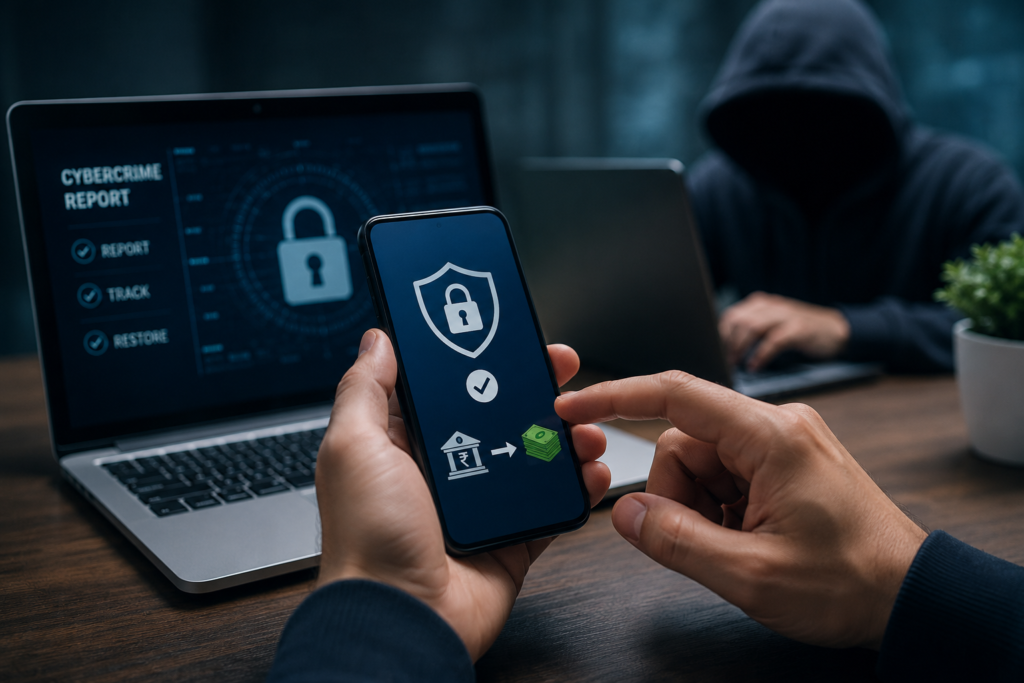
Police have urged citizens to stay alert against impersonation scams. Law enforcement agencies do not demand money through phone or video calls. They also do not ask people to transfer funds to safe accounts. Authorities do not request money transfers to verification accounts. Anyone receiving such calls should disconnect immediately. They should then verify the information through official channels. People should report such incidents to the National Cyber Crime Helpline (1930). They can also use the Cyber Crime Reporting Portal.
Conclusion
The Noida cyber fraud case shows how digital arrest scams target unsuspecting citizens. These scams exploit fear and authority to manipulate victims. Impersonation-based frauds are becoming more sophisticated. Public awareness can help people recognize suspicious calls. Prompt verification can prevent victims from making fraudulent transfers. Immediate reporting can help cybercrime authorities respond quickly. These actions remain essential to prevent financial losses. They can also help disrupt organized cyber fraud networks.