

 English































































How a ₹2.6 Crore Digital Arrest Scam Exposed a ₹27,850 Crore Money Laundering Network


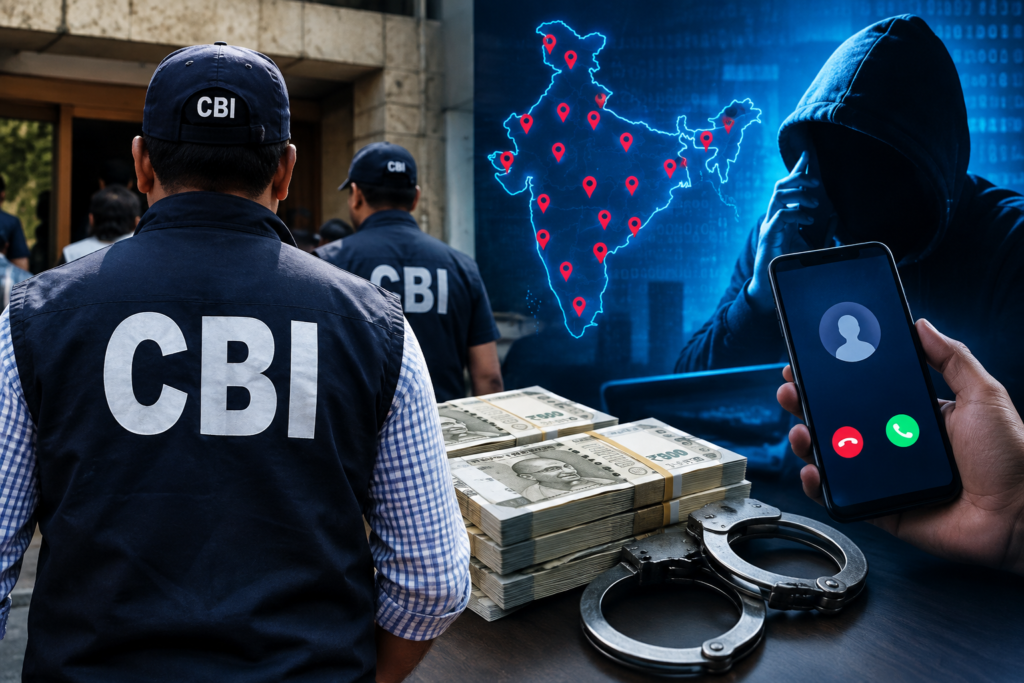
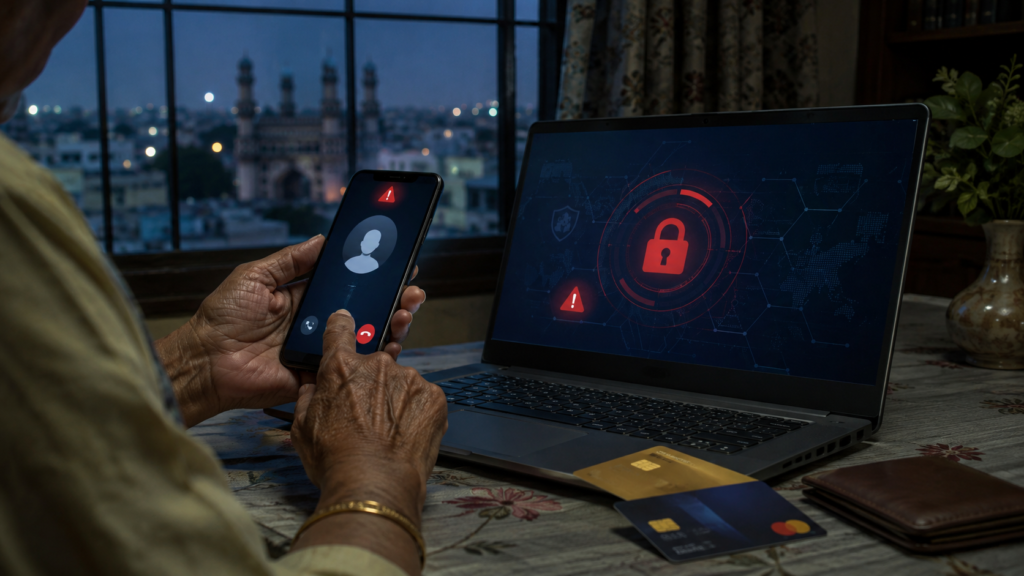
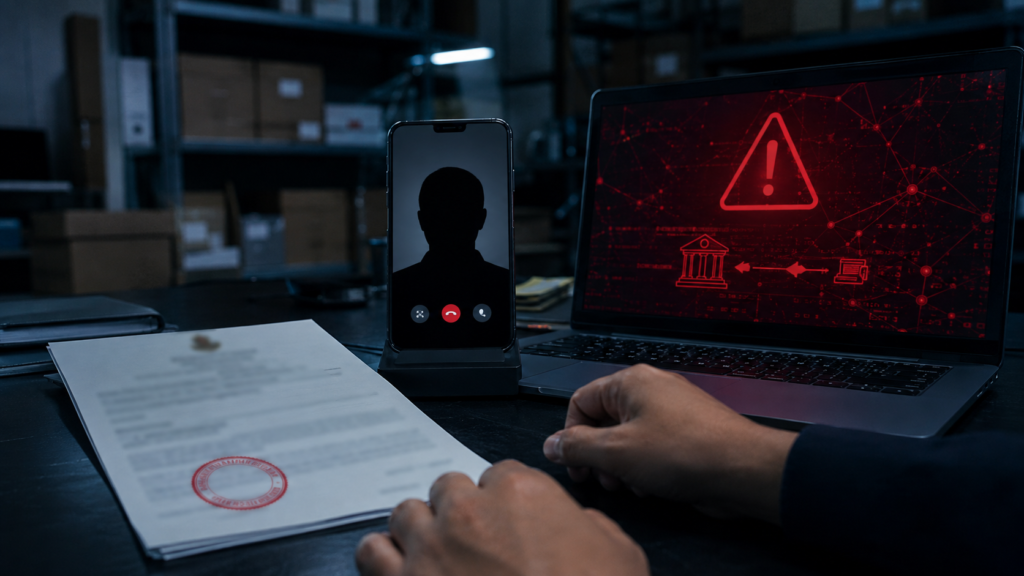
A woman from Goa became the victim of a “digital arrest” scam in 2025. This scam ranks among the fastest-growing forms of cyber fraud in India today. Fraudsters posed as law enforcement officials and contacted her. They claimed she was linked to a serious criminal case. To make the threat feel real, they kept her on a video call for 14 days. They monitored her constantly and created fear of arrest.
Under this pressure, she transferred ₹2,60,33,634, more than ₹2.6 crore, to fake accounts. The scammers called these “Secret Supervision Accounts.” She made the transfers between May 21 and June 2, 2025. She later filed a complaint at the Cyber Crime Police Station in North Goa. This complaint led to an official case and a deeper investigation.
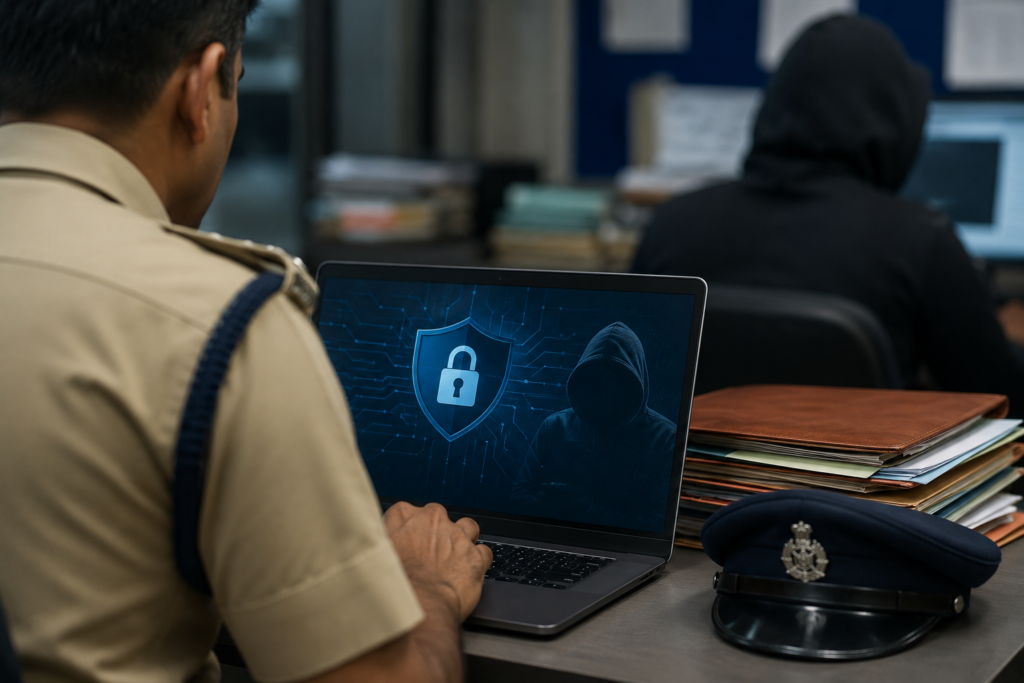
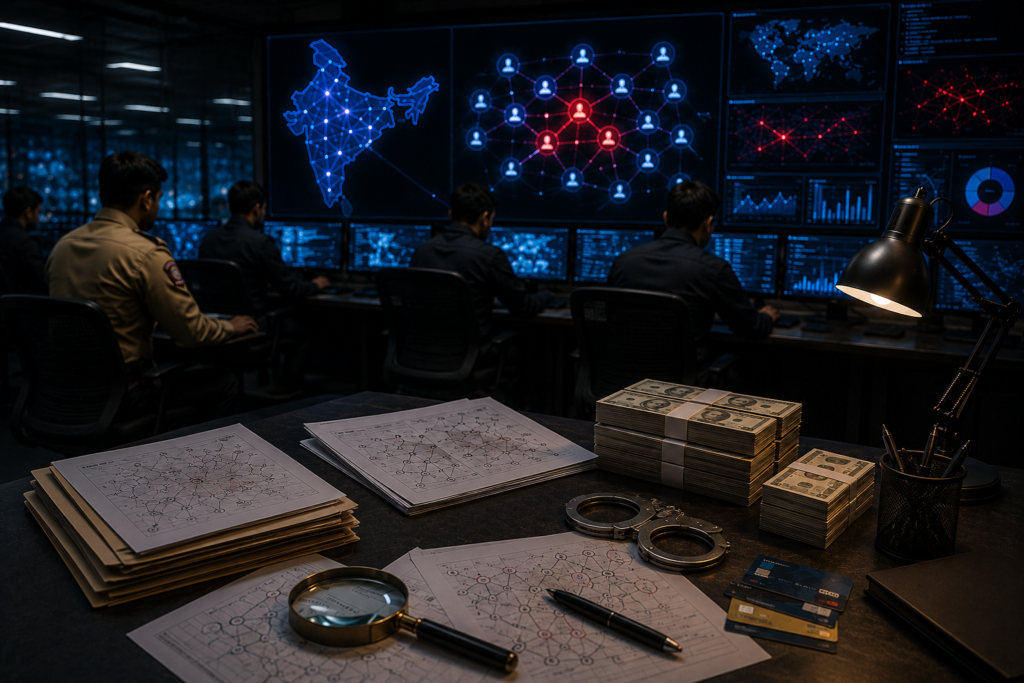
Officers then traced where the money went. They found it had moved through more than 400 accounts. The fraudsters used bank transfers, cash withdrawals, self-cheques, and payment gateways. This complex trail brought the Enforcement Directorate into the case. Investigators uncovered a much larger network. It allegedly connects to commodity trading, travel, and forex businesses.
The numbers in this case need some explaining. The ₹2.6 crore reflects the loss suffered by the Goa victim alone. Investigators have separately linked ₹417.49 crore to 330 complaints and 163 FIRs. These cases span 20 states and Union Territories. The much larger figure, ₹27,850 crore, shows total banking transactions by the network. It does not represent money stolen directly from victims.
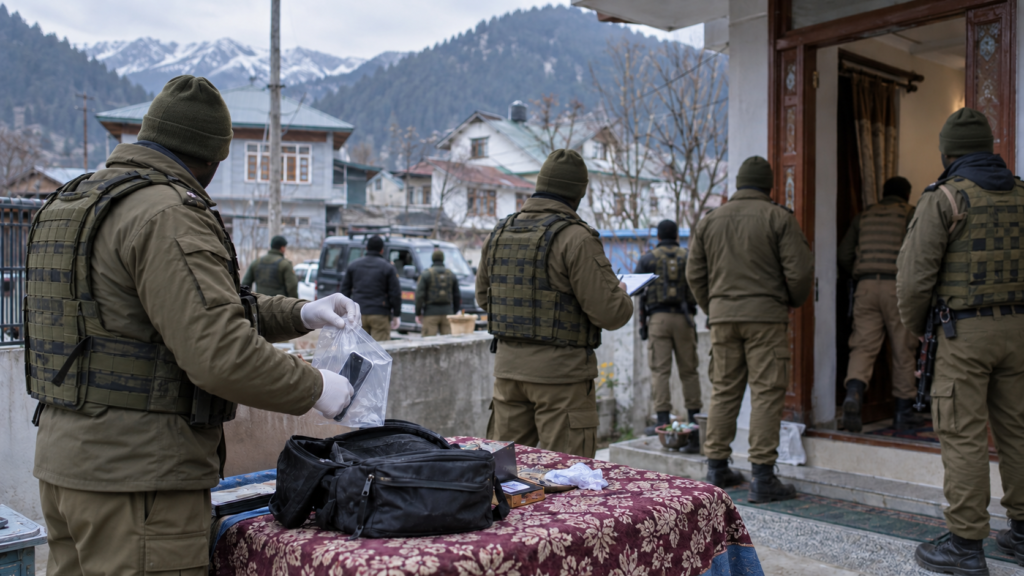
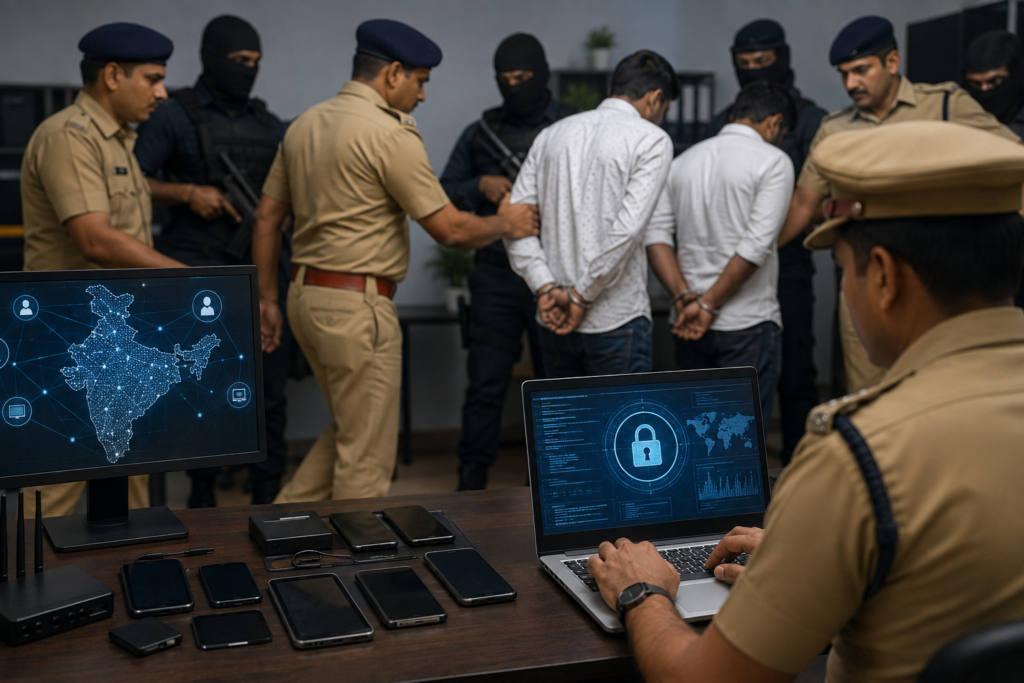
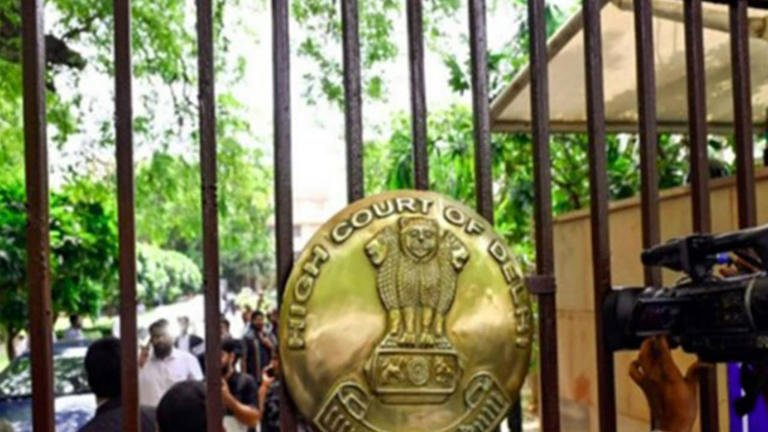
The Enforcement Directorate arrested two men on August 23. Specifically, investigators identified them as Fahim Moin Hussain Sayed and Naim Mueen Sayyed. Subsequently, officials charged both under the Prevention of Money Laundering Act. Following this, a Special PMLA Court in Goa remanded them to custody until August 29. During related searches, officials recovered ₹3.25 crore in cash. In addition, they seized digital devices and financial records. Furthermore, authorities froze network-linked accounts holding more than ₹30 crore. As a result, investigators also believe some funds later became foreign currency through licensed exchange channels.
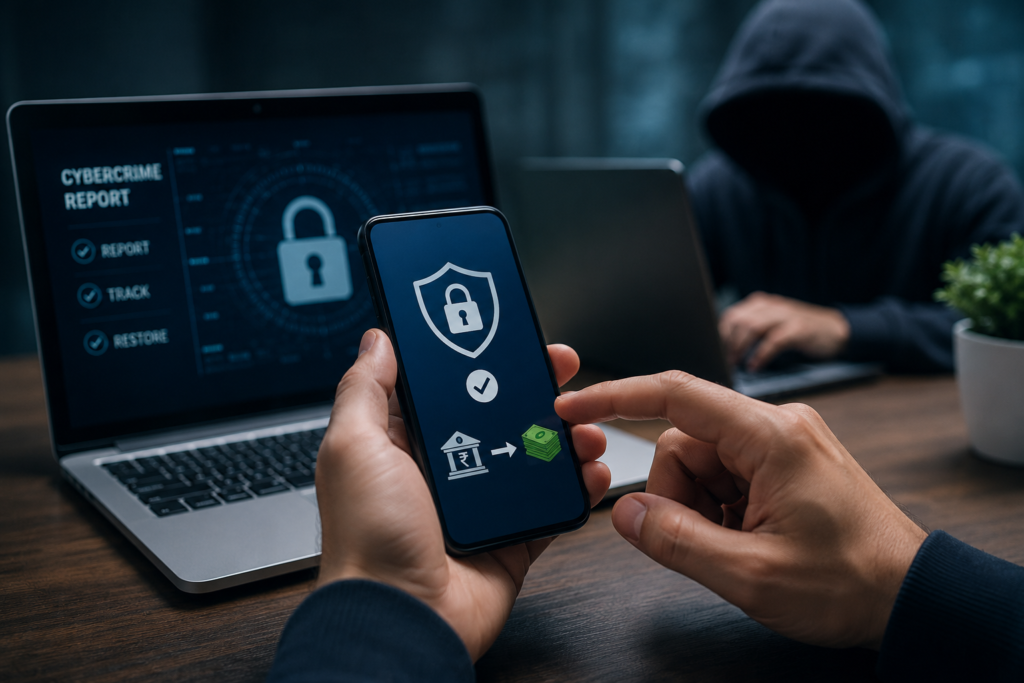
This case reveals a pattern now common across India. Scammers impersonate officials to create fear and pressure. They maintain constant surveillance to keep victims compliant. Then they move stolen funds through dozens of accounts quickly. Officials have a clear warning for the public. No genuine agency in India conducts arrests through video calls. No agency demands money for “verification” or “supervision.” Anyone receiving such a call should disconnect right away. They should report it through 1930, India’s cybercrime helpline, or the official cybercrime portal.