

 English



























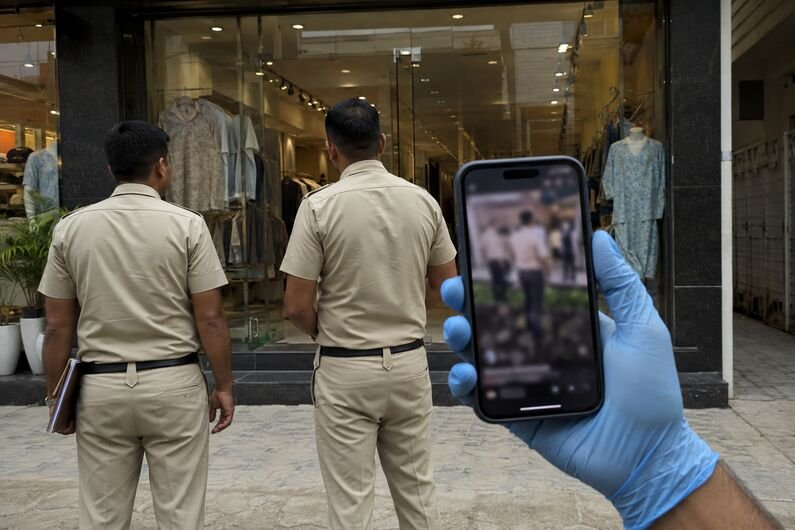
































































Hyderabad Senior Citizens Lose ₹102 Crore to Cyber Fraud in 19 Months


Hyderabad: Senior citizens in Hyderabad have lost around ₹102 crore to cyber fraud over the past 19 months. This Highlighting the growing threat of online scams targeting elderly residents.
The losses were recorded between January 2025 and July 2026. Cybercriminals have increasingly targeted senior citizens through different forms of online fraud, taking advantage of their limited familiarity with evolving digital scams.
Investment Scams Among Major Threats
Investment-related fraud has emerged as one of the methods used by cybercriminals to target victims. Fraudsters often approach individuals with promises of attractive returns and persuade them to transfer money or share sensitive financial information. Scammers exploit senior citizens by creating a sense of urgency and promoting fake investment schemes.
Phishing and Fake Customer-Care Scams
Cybercriminals have also used phishing attacks or fake customer-care services to deceive victims. Fraudsters may impersonate representatives of banks, financial platforms or other organisations to obtain confidential information. Fake customer-care numbers published online can also lead victims directly to scammers, who may then attempt to gain access to accounts to persuade them to make payments.
Lottery and Other Online Frauds
Lottery scams remain another method used to extract money from unsuspecting victims. In such cases, criminals may falsely inform individuals that they have won a prize and demand fees or personal information before claiming the supposed winnings.
These scams demonstrate how criminals continue to use social engineering and deception rather than sophisticated technical attacks alone.
Senior Citizens Increasingly Targeted by Cybercriminals
The reported ₹102-crore loss among Hyderabad’s senior citizens underscores the financial impact of cybercrime on vulnerable groups. As more people use online banking, digital payments and internet-based services, criminals are finding new ways to exploit trust and lack of awareness.
Authorities and cybersecurity experts continue to advise people against sharing OTP, PIN, passwords, banking credentials or other sensitive information with unknown callers or websites.
Conclusion
The ₹102-crore loss reported among senior citizens in Hyderabad is a significant reminder of the risks associated with online fraud. Awareness, verification of suspicious communications and careful handling of financial information can help reduce the chances of becoming a cyber-fraud victim.