
 English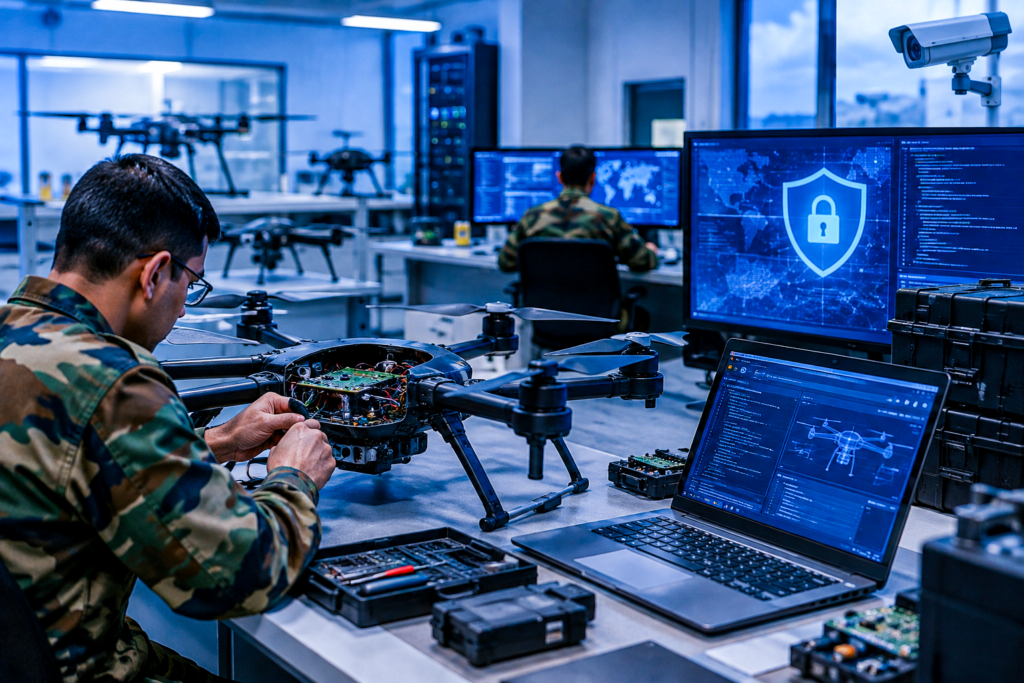






















































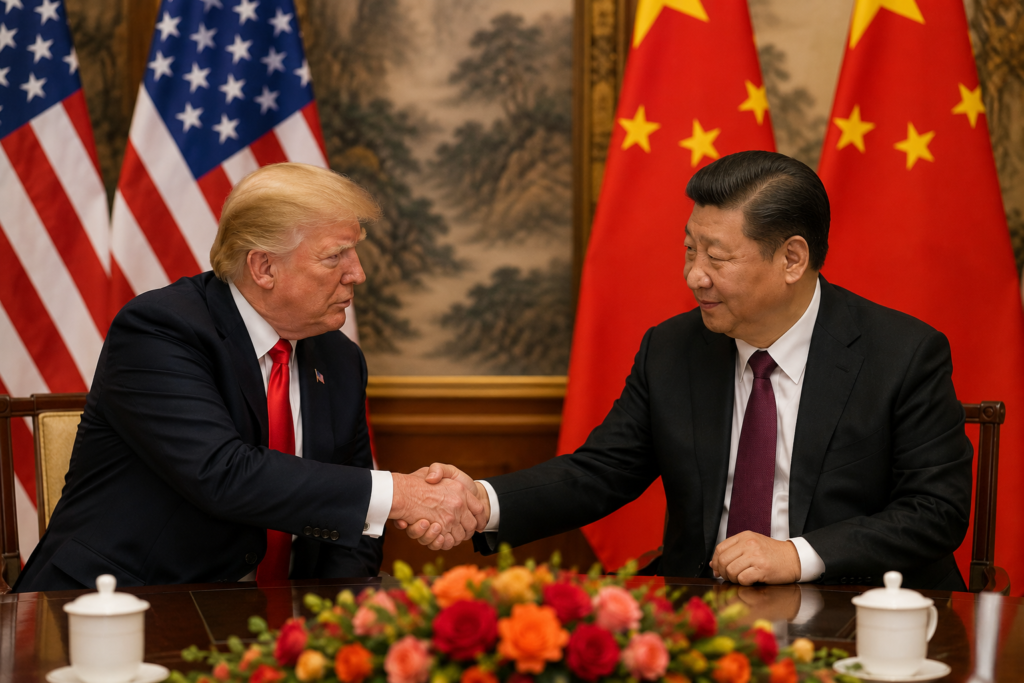



































Trump-Xi Summit 2026: Trade, Power, and the Future of US-China Relations

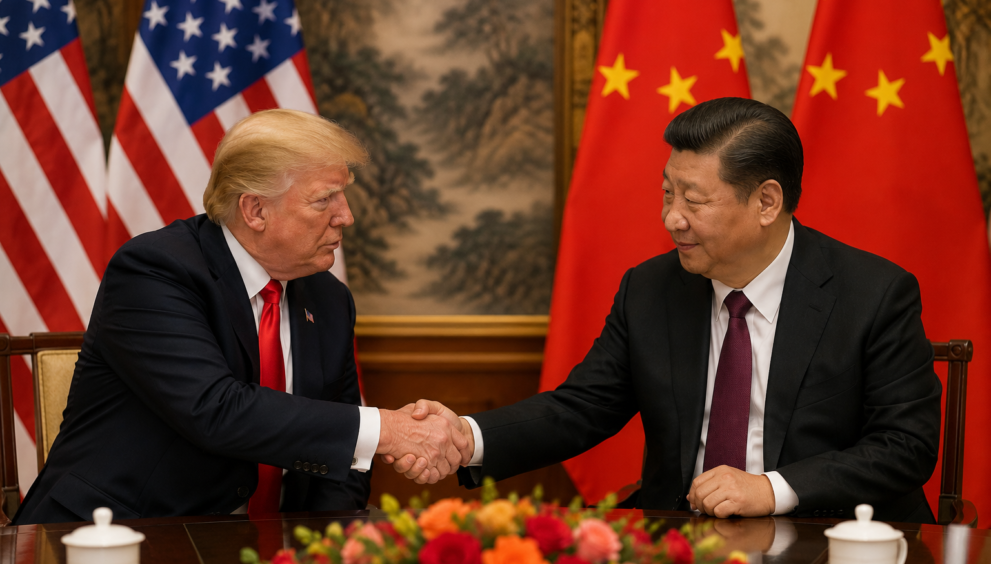
Rising Tensions Between Washington and Beijing
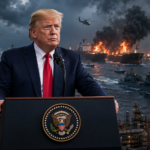
The latest summit between former US President Donald Trump and Chinese President Xi Jinping has once again placed global attention on the growing rivalry between the world’s two biggest economies. From trade disputes and technology restrictions to military influence and global dominance, the meeting reflects how deeply connected and competitive the US-China relationship has become.
As both leaders met in Beijing, analysts and political observers closely watched every statement, gesture, and diplomatic move. The summit was not just another political meeting. It represented a major moment that could shape international trade, cybersecurity policies, global supply chains, and geopolitical stability in 2026 and beyond.
What Does the United States Want From China?
The United States is pushing China on several key issues during the summit. One major concern remains trade imbalance and unfair market practices. American officials continue to argue that Chinese companies receive unfair government support, making it difficult for US businesses to compete globally.
Another major issue is technology and artificial intelligence. The US wants stricter controls on sensitive technologies, especially those linked to AI systems, semiconductor manufacturing, surveillance tools, and cybersecurity infrastructure. Washington believes China’s rapid technological expansion could threaten American national security interests in the coming years.
The discussion also includes military influence in the Indo-Pacific region. The US has increased its alliances with countries like Japan, South Korea, and the Philippines, while China continues expanding its regional influence through economic investments and military modernization.
Trump’s Strategy Against China
Donald Trump has consistently used aggressive trade policies and economic pressure as part of his strategy against China. During previous administrations, tariffs on Chinese imports became one of the biggest points of conflict between the two nations.
Political experts believe Trump is once again trying to project strength on the international stage. By pushing China on trade, manufacturing, and technology, he aims to show American voters that the US can still dominate economically and politically despite China’s rapid rise.
At the same time, Trump also understands that completely cutting ties with China could damage global markets. Many American companies still rely heavily on Chinese manufacturing and supply chains.
China’s Position at the Summit
President Xi Jinping entered the summit from a position of economic caution but strategic confidence. China is facing slower economic growth, rising debt concerns, and pressure from Western restrictions on advanced technology exports.
However, Beijing continues investing heavily in artificial intelligence, renewable energy, military technology, and digital infrastructure projects worldwide. China also wants stability in trade relations because export markets remain critical for its economy.
Xi’s government is expected to resist any demands that could weaken China’s long-term geopolitical ambitions or technological independence.
Global Impact of the Trump-Xi Meeting
The outcome of this summit could affect far more than just the United States and China. Financial markets, international trade networks, and global diplomatic alliances are all closely connected to US-China relations.
Countries across Europe, Asia, and the Middle East are monitoring the discussions carefully. Businesses are also watching for signs of new tariffs, sanctions, or economic agreements that could impact manufacturing costs and global supply chains.
If tensions rise further, sectors such as technology, cybersecurity, semiconductor production, and international shipping may experience significant disruption.
Conclusion
The Trump-Xi summit highlights the growing struggle for economic and political influence between the United States and China. While both countries continue competing across trade, technology, and military strategy, neither side can afford complete separation from the other.
The world now waits to see whether the meeting leads to cooperation, deeper confrontation, or another phase of strategic rivalry that could reshape global politics for years to come.